Understanding the Gut-Brain Connection: How Your Digestion Affects Your Mood
The Science of the Second Brain
For decades, we viewed the gut and the brain as two entirely separate systems. However, modern medical science has uncovered a sophisticated, bi-directional communication network known as the gut-brain axis. This highway of information connects the enteric nervous system, often referred to as your 'second brain,' directly to your central nervous system. It explains why digestive issues often mirror our emotional state and why periods of high stress can lead to sudden, uncomfortable gastrointestinal symptoms.
What is the Microbiome?
At the heart of this connection is the gut microbiome—a complex ecosystem of trillions of bacteria, viruses, and fungi living primarily in your large intestine. These microbes do far more than just assist with nutrient absorption. They are responsible for producing neurotransmitters, including serotonin, which is widely known as the 'feel-good' chemical. In fact, roughly 90% of your body's serotonin is produced in the gut, not the brain.
How Stress Impacts Digestion
When you encounter a stressful event, your body activates the 'fight or flight' response. This evolutionary mechanism prioritises physical survival over digestion, diverting blood flow away from the gut to your muscles and heart. In the short term, this is helpful. However, chronic stress keeps the body in this heightened state, which can disrupt the gut lining, alter the balance of beneficial bacteria, and contribute to common complaints like bloating, abdominal discomfort, and altered bowel habits.
Simple Ways to Support Your Gut-Brain Axis
You do not need to be a scientist to support your digestive health. Small, consistent lifestyle choices can significantly improve the balance of your gut flora and, in turn, your mood and resilience to stress.
Prioritise Whole Foods and Fibre
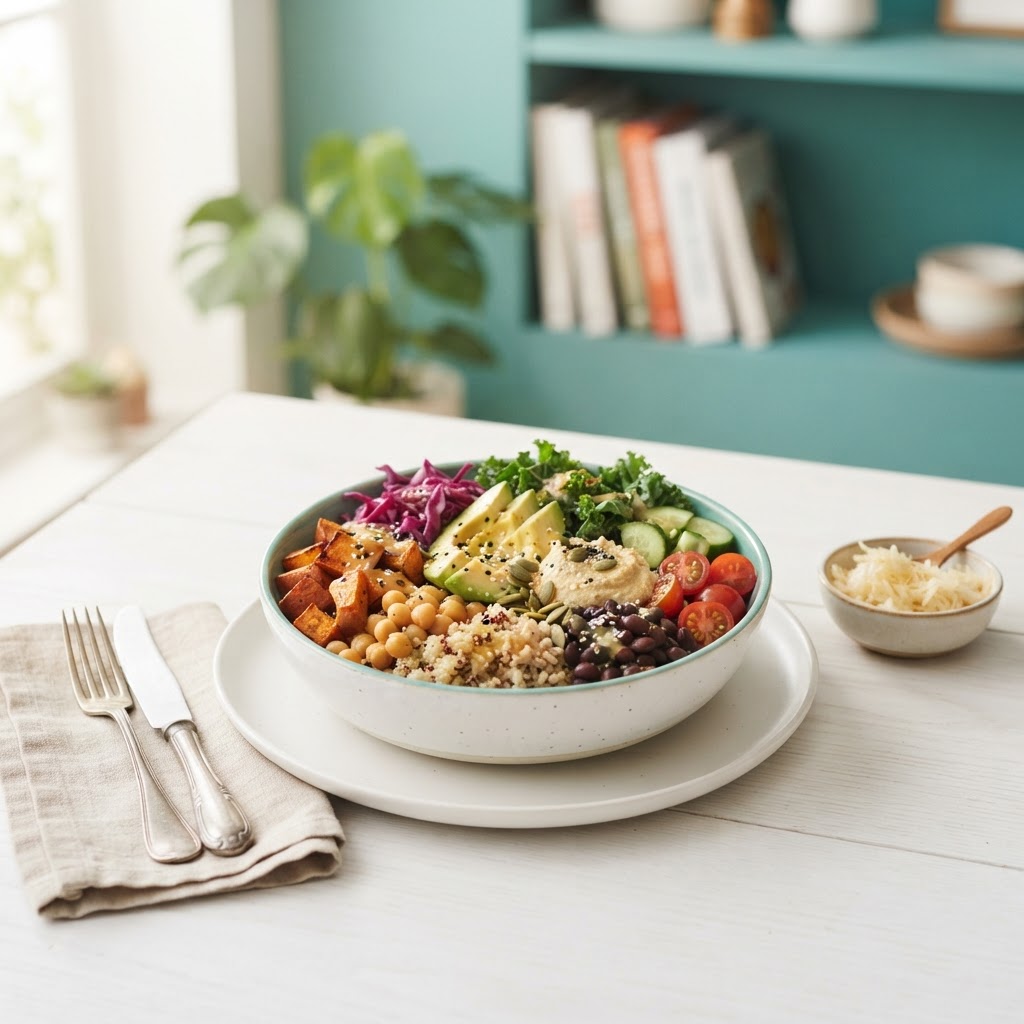
Your gut bacteria thrive on prebiotics—types of fibre that human enzymes cannot digest, but which serve as fuel for beneficial microbes. Incorporating a variety of plant-based foods, such as garlic, onions, bananas, oats, and legumes, provides the nourishment your microbiome needs to flourish.
The Role of Fermented Foods
Introducing live, active cultures into your diet via fermented foods is a great way to diversify your microbial population. Natural sources such as kefir, live yoghurt, sauerkraut, and kimchi are excellent additions to your weekly grocery shop. These foods act as natural probiotics, helping to maintain a healthy internal environment.
Mindful Eating Habits
We often rush through meals, eating while distracted by screens or work. Taking the time to eat slowly and chew your food thoroughly allows the digestive process to begin in the mouth, easing the workload on your stomach. Practising mindful eating also encourages you to recognise hunger and fullness cues, preventing overeating and unnecessary digestive strain.
Hydration and Movement
Water is essential for the smooth transit of food through the digestive tract. Staying hydrated ensures that fibre can work effectively to keep your digestion regular. Furthermore, regular physical activity has been shown to increase the diversity of gut bacteria, promoting a more resilient internal ecosystem.
When to See Your Pharmacist or GP
While occasional digestive discomfort is normal, it is important not to ignore persistent changes. You should speak to your pharmacist or GP if you experience:
- Unexplained weight loss
- Blood in your stool or a change in bowel habits lasting longer than three weeks
- Severe, persistent abdominal pain
- Unexplained fatigue or low mood that does not improve with lifestyle changes
- Difficulty swallowing or a persistent feeling of fullness
Our pharmacists at RXLiveClinic are here to help you navigate these concerns. Whether you are dealing with persistent heartburn, irregularity, or want advice on how to support your digestive health through supplements or lifestyle adjustments, we are available to provide expert, clinical guidance. Remember, your gut health is a cornerstone of your overall wellbeing, and taking small steps today can lead to significant benefits for your long-term health.
This article is for general information only and is not personal medical advice. Always speak to a pharmacist, GP or other qualified healthcare professional about your individual circumstances. RXLiveClinic is a UK online pharmacy registered with the GPhC (#9010611).
Need treatment?
Start an online consultation — a UK-registered prescriber will review your answers.
Start a consultation