Men's health: why regular check-ups matter
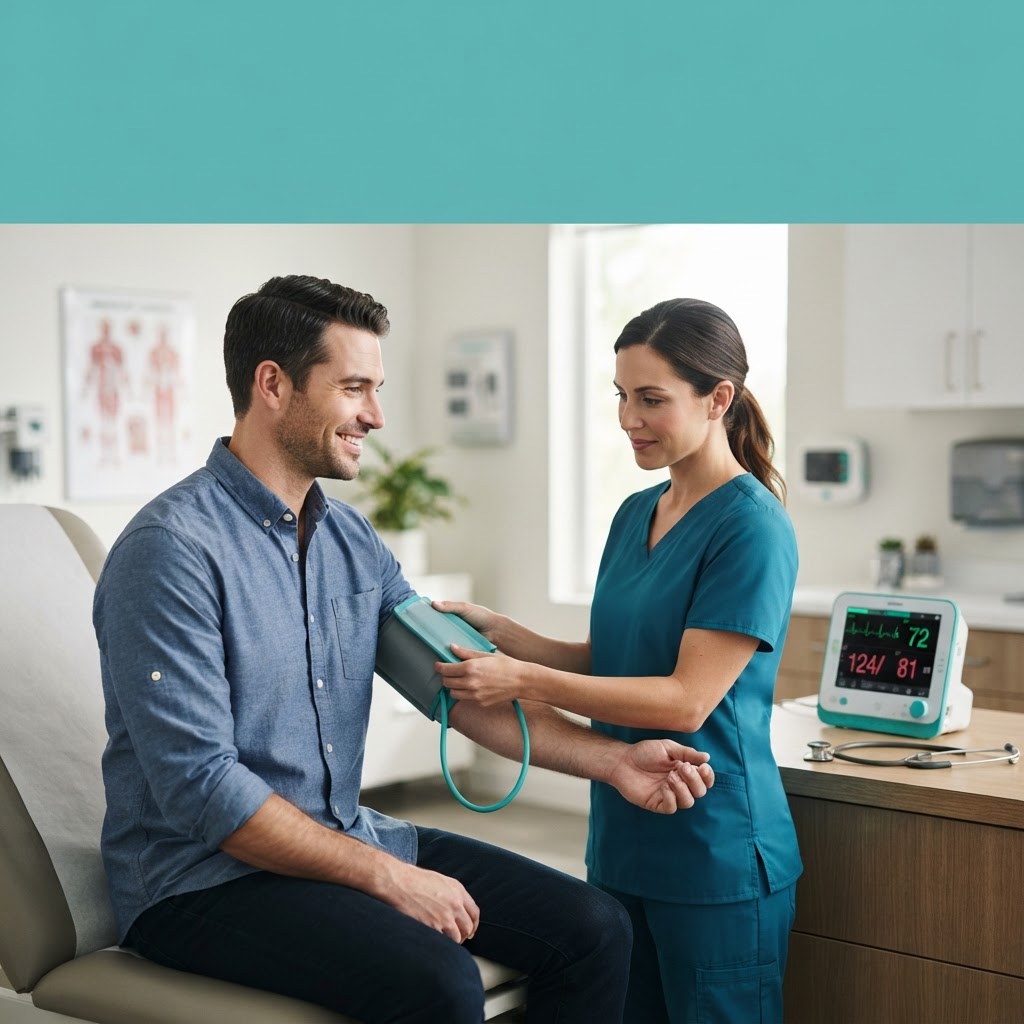
Men in the UK visit their GP far less often than women — on average around half as frequently — and it shows in the statistics: men are more likely to be diagnosed with conditions like heart disease, type 2 diabetes and high blood pressure at a later, harder-to-treat stage.
Why men put it off
Embarrassment, busy schedules and a general "if it's not broken, don't fix it" attitude all play a part. But most serious conditions give early warning signs years before they become emergencies — you just have to look.
Four numbers worth knowing
- Blood pressure — high blood pressure rarely has symptoms but is the single biggest risk factor for stroke and heart attack. Get it checked at any pharmacy.
- Cholesterol — a simple blood test tells you your cardiovascular risk; ask your GP or pharmacy about checks.
- Weight / BMI — a BMI above 30 significantly raises your risk of type 2 diabetes, heart disease and several cancers.
- Waist circumference — above 94cm (37 inches) for white men carries increased health risk; above 102cm much higher risk.
The checks you shouldn't skip
Beyond the numbers: an NHS health check is offered every five years from age 40. Men should also be aware of testicular self-examination from their twenties and speak to a clinician promptly about any urinary or erectile changes — these can be early markers of other conditions.
Start small
You don't need a full medical work-up to make progress. A blood pressure check takes two minutes at a pharmacy. Movement, sleep and cutting back on alcohol are within everyone's reach — and if something has been bothering you for more than a couple of weeks, a quick conversation with a pharmacist or GP is far easier today than the alternative a few years down the line.
This article is for general information only and is not personal medical advice. Always speak to a pharmacist, GP or other qualified healthcare professional about your individual circumstances. RXLiveClinic is a UK online pharmacy registered with the GPhC (#9010611).
Need treatment?
Start an online consultation — a UK-registered prescriber will review your answers.
Start a consultation